
AI in PR: Managing Tasks and Deadlines
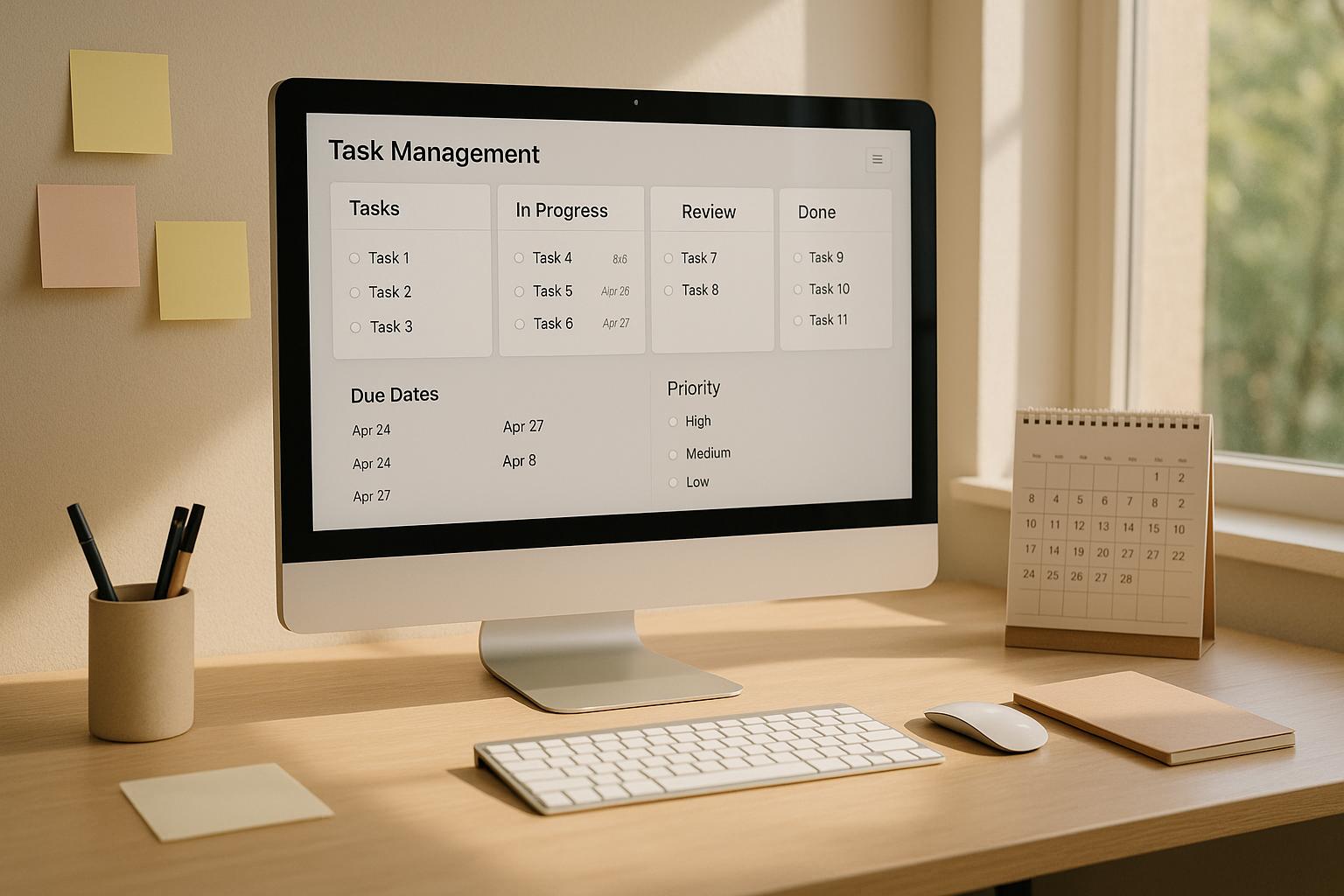
AI is transforming how PR teams handle tasks and deadlines. By automating repetitive work, analyzing data in real time, and prioritizing tasks based on urgency and impact, AI tools help PR professionals save time and focus on high-value activities like storytelling and relationship building.
Key takeaways:
- Time Savings: AI reduces manual work, cutting press release creation time by up to 70%.
- Real-Time Adjustments: AI monitors trends and sentiment, reprioritizing tasks as situations evolve.
- Improved Deadlines: Tools predict timelines, flag delays, and suggest solutions to keep projects on track.
- Workload Balance: AI distributes tasks based on team capacity, reducing burnout and improving efficiency.
Platforms like Pressmaster.ai showcase these benefits, offering tools for content creation, media monitoring, task prioritization, and performance tracking. With AI, PR teams can handle more work with less stress while achieving better results.
I USED AI to manage my PROJECTS for 30 days - Here's what happened | AI in Project Management
How AI Prioritizes Tasks for PR Teams
AI has transformed how PR teams prioritize their tasks by analyzing vast amounts of data simultaneously - something human teams simply can't do in real-time. These systems evaluate urgency by tracking live media coverage, social media sentiment, and emerging trends across various platforms. They also assess business impact, factoring in campaign reach, audience engagement potential, and alignment with company goals[1].
By ranking tasks based on their influence on brand reputation and campaign success, AI ensures PR teams focus on what truly matters. For instance, when a social media crisis arises, AI-powered sentiment analysis tools immediately detect negative discussions and flag them as high-priority. This allows teams to address potential reputation risks before they spiral out of control[1]. Instead of relying on educated guesses, PR teams can now prioritize tasks using measurable, data-driven criteria.
AI also excels at mapping task dependencies, ensuring that one task doesn’t start before another is complete. For example, it prevents media outreach from kicking off before content is finalized or social campaigns from launching without aligned messaging[3]. This level of analysis helps PR teams adapt quickly and maintain balanced workflows, as detailed below.
Real-Time Updates and Adjustments
AI-powered PR tools monitor multiple channels around the clock, recalibrating task priorities as new information becomes available. These systems are constantly scanning for changes in sentiment, trending topics, or breaking news that could impact a campaign’s direction[1][2].
When significant changes occur - like a sudden spike in negative sentiment or a trending topic relevant to a campaign - AI immediately alerts the team and adjusts the task rankings. This allows PR professionals to shift from reacting to problems after they arise to anticipating and addressing them before they escalate[2]. The ability to analyze massive amounts of data in seconds means teams can make faster, more informed decisions.
Platforms like Pressmaster.ai showcase this capability by offering real-time monitoring and trend analysis. For example, they can identify emerging topics or viral trends, helping PR teams prioritize content creation based on what audiences care about most[9]. This ensures efforts are directed toward content that maximizes engagement and aligns with business goals.
Better Deadline Performance
AI systems use historical data from previous campaigns to predict how long specific tasks will take. By analyzing factors like task complexity, team expertise, resource availability, and external dependencies, these systems create highly accurate timelines[2].
They also monitor tasks in progress, comparing them to predicted timelines and flagging delays before they become major issues. For instance, if a press release is expected to take four hours but is only 25% complete after three, the system notifies managers and suggests solutions, such as reallocating resources or adjusting deadlines downstream[4].
This proactive approach keeps projects on track. Take Bamboo Rose, for example, a company that implemented AI-driven content creation and workflow management.
By leveraging AI to streamline their PR processes, Bamboo Rose reduced the time needed to draft press releases from two days to just one hour for initial drafts[2].
This efficiency allowed their team to handle more work without sacrificing quality, keeping up with ambitious growth targets. AI prioritized tasks, drafted initial versions of content, and flagged items needing human input, saving time and boosting productivity.
Even Task Distribution
AI helps balance workloads by analyzing each team member’s capacity, expertise, and availability. It identifies when someone is overloaded and redistributes tasks to ensure equity[4].
The system assigns specialized tasks to team members with the right skills while occasionally allocating stretch assignments to support professional growth. This prevents certain team members from being overburdened, reducing burnout and turnover.
AI also tracks long-term patterns in task allocation, helping managers spot systemic imbalances and make better hiring or training decisions. Over time, these systems refine their algorithms by learning from past campaigns, identifying which prioritization strategies led to success and which didn’t[2][4].
For example, if the system overemphasizes social media monitoring compared to media relationship building, it adjusts its priorities for future tasks. This continuous learning ensures that AI becomes more aligned with the organization’s specific needs and goals.
The result? A well-balanced team where work is distributed based on skill, availability, and growth opportunities - not just who speaks up first in meetings. This smarter distribution not only improves deadline performance but also enhances job satisfaction and reduces team turnover. By helping PR teams work more efficiently, AI ensures they can focus on delivering impactful campaigns without unnecessary stress.
AI Tools for PR Task and Deadline Management
The world of public relations has seen a remarkable transformation with the rise of AI-powered platforms designed to tackle modern challenges. These tools do much more than automate tasks - they're built to grasp the intricacies of PR work, from juggling multiple client campaigns to coordinating content across various platforms. In fact, three out of four PR professionals now rely on AI tools for tasks like media monitoring, content creation, and campaign analytics, signaling a major shift in how the industry operates[1][2][4].
These advanced tools process data in seconds and can even simulate crises, allowing PR teams to act preemptively rather than reactively[5]. Among these, Pressmaster.ai has emerged as a standout platform, offering a complete solution for PR professionals.
Pressmaster.ai: A Complete PR Platform
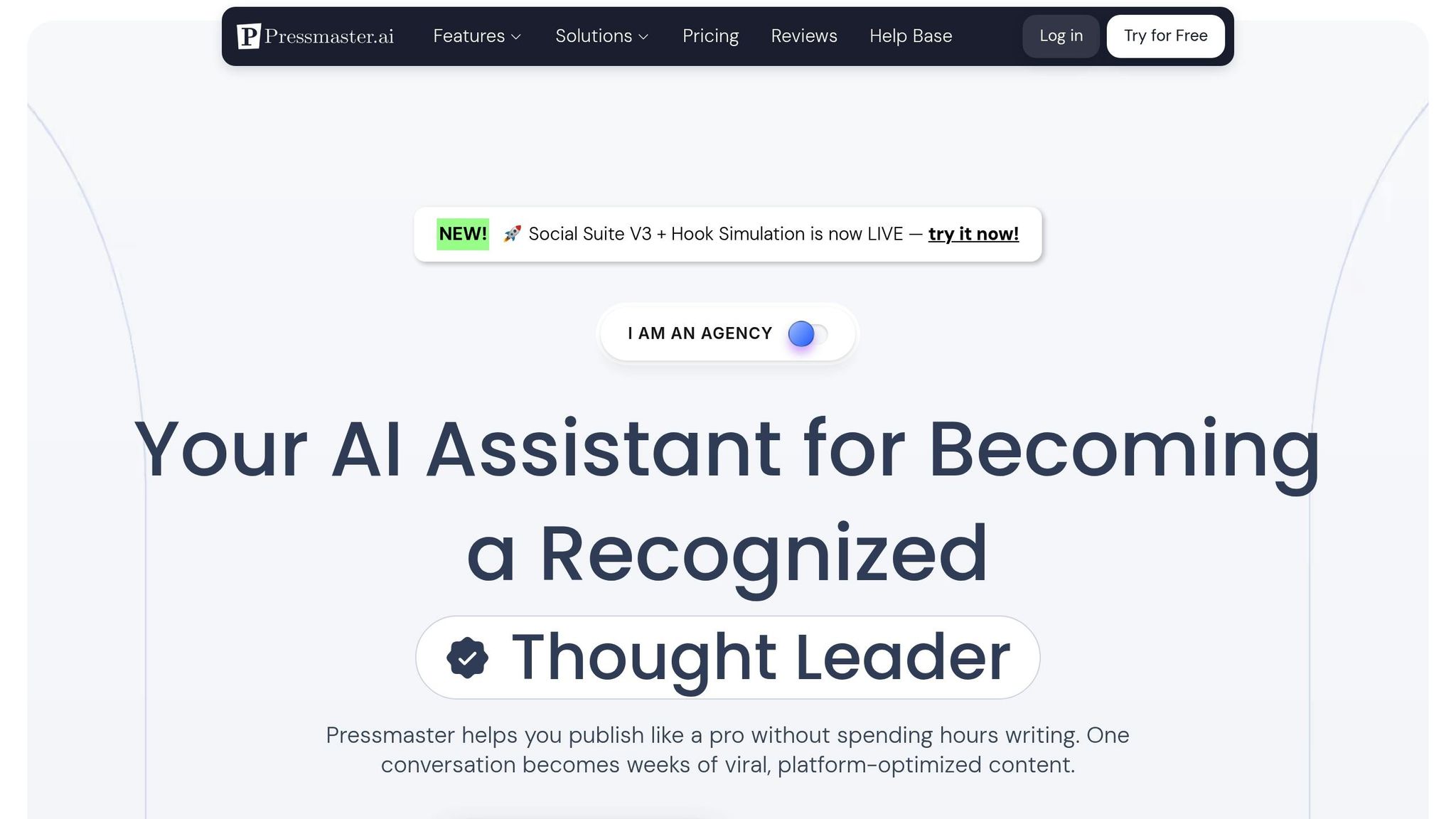
Pressmaster.ai redefines how PR teams manage their workflows, covering everything from brainstorming content ideas to analyzing campaign performance. One of its standout features is Trendmaster, which scans 500,000 data sources daily to identify industry trends weeks before they become mainstream. Each alert includes tailored suggestions, making it easier for PR teams to craft content that resonates with their target audience.
The platform also simplifies content creation. With its AI-driven tools, PR professionals can transform casual brainstorming sessions into polished, brand-aligned articles, press releases, or thought leadership pieces. This approach not only preserves the brand's unique voice but also slashes the time typically required for content development.
When it comes to distribution, Pressmaster.ai automates the process across multiple channels. It reformats content into over 15 platform-specific formats, ensuring optimized posts for press networks, social media, and custom newsrooms. The result? Consistent messaging that meets tight deadlines without the usual hassle[9].
For performance tracking, the platform provides real-time analytics, measuring engagement metrics like opens, clicks, and shares. This data empowers PR teams to tweak strategies on the go, ensuring campaigns stay aligned with their goals. Impressively, teams using Pressmaster.ai have reported producing 21 times more content without increasing staff, highlighting its efficiency in deadline-driven environments[9].
Another game-changing feature is its external interview tool. PR professionals can send a single link that adapts questions based on responses, automatically transcribing and enriching the content. This eliminates the usual back-and-forth in the approval process, speeding up project timelines significantly.
Core Features of AI PR Tools
AI tools have revolutionized PR by automating workflows and prioritizing tasks. Here are some key capabilities that make them indispensable:
- Automated Content Creation: These tools generate multiple drafts optimized for search engines, ensuring press releases gain maximum visibility[10].
- Real-Time Media Monitoring: Advanced AI systems track mentions across thousands of sources, analyze sentiment, and flag potential issues before they escalate. This allows PR teams to respond to emerging narratives within minutes[5].
- Predictive Analytics: By identifying trending topics across digital platforms, AI helps PR teams align their content with audience interests, boosting engagement[10].
- Task Prioritization: Integrated with project management software, AI tools streamline workflows by automatically assigning tasks, tracking progress, and sending reminders to avoid bottlenecks[5].
- Performance Forecasting: Using historical data, these platforms predict press release outcomes, enabling teams to make proactive adjustments for better results[10].
- Journalist Targeting: AI analyzes journalist interests and recent work, ensuring pitches are relevant and increasing the likelihood of media coverage[10].
- SEO Optimization: Press releases are automatically fine-tuned for search visibility, extending their reach long after the initial distribution[10].
AI tools also integrate seamlessly with platforms like WordPress, Wix, Medium, and social media management systems. This allows PR teams to manage all their content from a single hub, reducing the need for multiple tabs and manual posting.
One of the most exciting advancements is hyper-personalization at scale. AI now enables PR teams to create tailored press releases for different stakeholders, ensuring that each audience receives content relevant to their interests. This level of personalization, combined with large-scale campaign management, is a game-changer for the industry.
Finally, the shift toward cognitive AI brings deeper insights into PR performance and audience behavior. These systems provide natural language summaries of brand performance, helping teams uncover patterns and understand the drivers behind sentiment changes[8][11]. With this knowledge, PR professionals can make smarter decisions and allocate resources more effectively across campaigns.
How to Add AI to PR Workflows
Bringing AI into your PR operations doesn’t mean tossing out what already works. Instead, the best results come from building on your existing workflows. With 61% of companies planning to ramp up their AI usage by 2025 [6], it’s clear that AI is becoming a central part of the PR landscape.
Connecting AI with Current Tools
The first step in integrating AI is understanding how your current tools and workflows operate. Start by evaluating your existing PR processes to identify areas where AI can make a difference, such as automating repetitive tasks or improving media monitoring.
Take Pressmaster.ai as an example. This platform connects effortlessly with existing systems through APIs and custom integrations. Whether it’s your website, content management system, or social media channels, everything can be managed from one centralized dashboard. This eliminates the need to jump between platforms, saving time and reducing complexity.
That said, introducing AI to legacy systems can come with challenges like data silos, outdated formats, or resistance to change. A phased approach can help. Begin by mapping out how data flows across your systems and use middleware to bridge any gaps. This ensures both IT and PR teams are aligned and ready to embrace the benefits. Also, make sure your AI tools are tailored for U.S. businesses by supporting standard protocols (like RESTful APIs), customizing features like currency formatting ($1,234.56), using American date formats (MM/DD/YYYY), and adhering to data privacy regulations.
Once the technical groundwork is laid, the next step is equipping your team to make the most of these new tools.
Team Training and Setup
Even the smartest AI tools won’t deliver results without a team that knows how to use them. Hands-on training and pilot projects are key to building confidence and gradually integrating AI into daily workflows. Focus on developing skills in areas like media monitoring, sentiment analysis, and campaign optimization, while teaching your team how to use predictive insights to stay ahead in PR management.
Pilot projects can offer immediate benefits. For example, some organizations have reported cutting content creation time by up to 70% [6]. Involving team members from various roles - like account managers and creative directors - ensures everyone understands how AI fits into their responsibilities.
To measure the impact of training, track metrics like how quickly content is created, the volume of media coverage, engagement rates, and how well deadlines are met. Tools like Pressmaster.ai make this easier by offering built-in performance tracking and analytics dashboards [1].
Using AI to Prevent Problems
Once AI is integrated and your team is trained, you can unlock its predictive power to get ahead of potential issues. AI tools can analyze historical data alongside current trends to spot risks before they escalate, helping PR teams shift from reactive to proactive strategies.
For example, AI can pick up on subtle changes in sentiment and flag potential risks for amplification. However, to avoid false alarms and unnecessary noise, it’s important to configure these tools carefully. Focus on filtering data to highlight only the most critical insights, and train your team to interpret these findings in context.
Seamless integration with project management and communication systems ensures that alerts reach the right people at the right time. Real-time analytics dashboards can then track the effectiveness of your responses, measuring metrics like reach, sentiment changes, engagement quality, and time saved compared to traditional methods.
Gradually introducing AI to handle routine tasks - like generating reports, scheduling social media posts, or compiling media lists - frees up your team to focus on more strategic efforts. AI-powered collaboration tools can also help keep everyone aligned as workflows evolve.
The ultimate goal isn’t to replace human expertise but to enhance it. By providing faster, more accurate insights, AI helps PR teams make better decisions while maintaining their authentic voice and minimizing errors.
Conclusion: AI Changes PR Task Management
AI is reshaping how public relations teams handle tasks and deadlines, bringing a new level of efficiency to the industry. Today, three out of four PR professionals rely on AI tools for tasks like media monitoring, content creation, and campaign analytics. This growing adoption is transforming traditional workflows and redefining expectations across the field [2].
One of AI's biggest advantages is its ability to cut manual workloads by up to 50%, while also boosting campaign success through predictive analytics [1][2][4]. Real-time data analysis has become a game-changer, allowing PR teams to shift from reactive to proactive strategies. By scanning tens of thousands of media sources at once, AI helps monitor sentiment, identify opportunities, and even adjust deadlines dynamically. Automated reminders and predictive insights ensure teams can anticipate challenges and meet deadlines more reliably [2][3][4].
AI also improves team efficiency by distributing tasks based on individual capacity, skills, and workloads. This not only prevents burnout but creates a more balanced and sustainable work environment.
Tools like Pressmaster.ai showcase the potential of integrated AI solutions for PR. From generating high-quality content to distributing it across multiple channels and tracking performance in one place, platforms like this are revolutionizing the way agencies operate. For instance, a U.S.-based agency using Pressmaster.ai reduced turnaround times by 40% while seeing significant increases in media coverage and audience engagement.
Pressmaster.ai also provides advanced trend analysis, giving PR teams a competitive edge that was previously out of reach. Its features, such as automated social media content creation, customizable newsrooms, and robust analytics dashboards, highlight the growing importance of AI in achieving PR success.
Experts agree that AI is evolving from a supportive tool into an essential strategic partner. While it won’t replace human creativity, it frees professionals to focus on what matters most - strategy, relationship-building, and authentic storytelling. These are the elements that truly drive successful public relations [2][4].
As competition intensifies, integrating AI is becoming less of an option and more of a necessity. One industry expert pointed out that the demand for AI in PR will only grow, with early adopters gaining a clear advantage. These teams are building stronger client relationships, delivering better results, and leading in today’s data-driven market [5].
The shift is already happening. PR professionals are moving beyond testing AI tools and achieving measurable outcomes [7][12]. For those ready to embrace this transformation, AI offers better task prioritization, improved deadline management, and streamlined workflows. More than just an operational boost, it’s a critical edge in today’s fast-paced communications landscape.
FAQs
How can AI help PR teams manage tasks and prioritize deadlines effectively?
AI is reshaping the way PR teams manage tasks and meet deadlines by simplifying workflows and improving decision-making. By analyzing data and spotting trends, AI tools can prioritize tasks based on their urgency and how they align with business objectives. This means critical projects get the attention they need right away, while less pressing tasks are scheduled for later.
Take Pressmaster.ai, for instance. This AI-driven platform can handle repetitive tasks, track deadlines, and deliver real-time insights to keep teams organized and on schedule. With AI handling the busywork, PR professionals can shift their focus to strategic projects, boost efficiency, and tackle deadlines with greater ease.
How can AI help PR teams manage deadlines and avoid project delays?
AI simplifies deadline management in PR by taking over repetitive tasks, offering real-time updates, and improving team collaboration. Tools powered by AI can handle scheduling, send timely reminders, and even highlight potential roadblocks, keeping projects on track and minimizing delays.
Platforms like Pressmaster.ai take it a step further by quickly generating content, spotting new trends, and automating distribution across multiple channels. By cutting down on manual tasks, these tools free up PR teams to prioritize strategic work and meet deadlines with greater ease.
How can PR teams use AI tools like Pressmaster.ai to streamline their workflows?
PR teams can make their workflows more efficient with Pressmaster.ai and its AI-driven tools. This platform takes the hassle out of content creation by generating polished articles, press releases, and thought leadership pieces that reflect your brand's tone and style. On top of that, it automates distribution across multiple channels, ensuring your content seamlessly reaches press networks, social media platforms, and custom newsrooms.
The platform also offers trend analysis to spot emerging topics, helping your campaigns stay timely and engaging. With performance tracking, you can monitor how your content performs and measure the success of your campaigns. By incorporating these features into your routine, you can save valuable time, stay organized, and dedicate more energy to building meaningful relationships with the media.
Related Blog Posts








Sign Up for our Pressmaster Newsletter
Sign up for our Pressmaster.ai newsletter to get instant alerts on trending topics, ensuring you stay ahead in your field with the latest insights and updates.


.avif)
.png)

.avif)


7 Viral Patterns That Drove 10,643% Growth
Turn natural conversations into content gold, make every insight count, and drive real conversations.

Please fill out the form to get our Viral Cheat Sheet


How to Become a Thought Leader in 6 Easy Steps
Increase your visibility, establish authority, and conquer your market with minimal effort.

Please fill out the form to get our PDF Checklist
