
How AI Automates Content Localization for PR

AI-driven localization is transforming PR by making it faster, more precise, and cost-efficient to connect with global audiences. Instead of just translating words, modern tools adjust tone, style, and context to suit local preferences. This helps brands stay consistent while resonating with diverse markets. For PR teams, this means:
- Faster Campaigns: AI reduces localization timelines from weeks to hours.
- Cost Savings: Automation cuts costs by up to 60%.
- Improved Reach: Tools adapt language, imagery, and even design to meet local standards.
- Hybrid Approach: AI handles bulk tasks; humans review sensitive content for accuracy.
Platforms like Pressmaster.ai and Smartcat go beyond translation by offering workflow automation, analytics, and real-time quality checks. For example, Reddit’s use of AI localization in 2023 led to a 4x increase in daily users and an 82% jump in international revenue. Whether you're managing tight budgets or scaling campaigns globally, AI localization is a practical way to streamline PR efforts.
How AI Changes Content Localization in PR
What AI Localization Is and Why It Helps
AI-powered localization has reshaped the way content is adapted for different languages and regions. Unlike traditional methods that relied entirely on human translators, AI systems can process entire campaigns in a fraction of the time. These tools go beyond simple translation, adjusting language, tone, and cultural context to create content that feels natural to local audiences. For PR professionals in the United States, this means automatic adjustments like converting British spellings ("colour" becomes "color"), formatting dates as MM/DD/YYYY, and using Fahrenheit for temperature measurements.
The emergence of neural machine translation (NMT) in 2016 marked a turning point. Earlier translation tools often produced clunky, awkward text, but NMT systems - like DeepL and ChatGPT - deliver smooth, context-aware translations that retain the original message’s tone and intent. These advancements enable PR teams to drastically cut project timelines, shrinking what used to take weeks into just days or even hours[5]. This speed and accuracy allow companies to launch campaigns across multiple markets while preserving culturally relevant messaging. By making these adaptations quickly and effectively, AI helps establish the trust needed for global audiences, a topic explored further below.
Why Localization Matters in PR
Connecting with diverse audiences isn’t just about translating words - it’s about making content feel local and relatable. In the U.S., this means more than just using American English. It involves details like using the dollar sign ($) for pricing, imperial measurements (feet, pounds), and formatting dates in a way that feels familiar to Americans. While these changes might seem minor, they make a big difference in how a brand is perceived. Paying attention to these details enhances a brand’s authenticity and builds trust with its audience.
Take Netflix as an example. The company uses AI alongside local experts to adapt its platform for different regions. This combination of technology and human insight allows Netflix to translate and tailor content quickly, ensuring its messaging stays consistent and resonates with local audiences. Since PR often deals with sensitive topics, AI also plays a critical role in identifying language or phrasing that might be misinterpreted, allowing human reviewers to step in when needed.
Spotify employs a similar approach, using AI to personalize its recommendations in over 35 languages. By analyzing user behavior, Spotify delivers content that feels relevant to local listeners, even as it operates on a global scale.
Main AI Technologies in Localization
At the heart of AI localization are large language models (LLMs), which excel at understanding context and cultural nuances. Combined with neural machine translation, these tools provide PR teams with powerful options for managing multilingual campaigns. LLMs can adapt content in a way that feels natural, avoiding the rigid, literal translations of older systems.
AI-driven quality assurance tools add another layer of efficiency, automatically flagging errors and inconsistencies. These tools can reduce project turnaround times by as much as 80% and lower costs by 60%, while real-time analytics improve workflows by offering actionable insights[2]. Customizable models and glossaries ensure that a brand’s voice remains consistent across markets, even while addressing cultural differences.
Modern AI localization platforms bring all these technologies together into streamlined workflows. From initial translations to final quality checks, these platforms empower PR teams to produce culturally sensitive content at scale. These tools are paving the way for even greater automation in content localization, making the process faster and more reliable than ever before.
Steps to Automate Content Localization Using AI
Preparing Source Content for Localization
The first step to effective AI-driven localization is ensuring your source content is well-prepared. Clean, organized material significantly improves the output, as AI tools excel when they can easily grasp the context and intent behind your message.
Start by standardizing your formatting across all documents. Use formats like MM/DD/YYYY for dates, include appropriate currency symbols (e.g., $), stick to American spelling conventions, and apply imperial measurements where necessary. Consistency in these areas helps AI systems replicate your brand's style seamlessly across localized versions.
Avoid idioms and overly complex sentences in your source content. Phrases such as "it's raining cats and dogs" or "break a leg" can confuse AI systems, resulting in awkward or nonsensical translations. Instead, opt for clear, straightforward language that communicates your message without relying on cultural references that may not carry over well into other languages.
Organize your content with clear headings, subheadings, and a logical structure. This helps AI systems identify important sections, ensuring your brand voice and messaging remain consistent in every language.
Finally, create a master glossary with key terms, product names, and brand-specific language before initiating the localization process. This glossary acts as a reference point for AI tools, ensuring consistent terminology across all markets. A well-prepared source sets the stage for accurate translations and simplifies post-editing.
Once your content is optimized, you can move on to leveraging AI for translation and refinement.
Using AI Translation and Post-Editing
AI translation has evolved far beyond basic word-for-word conversions. Advanced neural machine translation systems, like those found in platforms such as Smartcat and Phrase, are capable of understanding context, preserving tone, and tailoring content for regional preferences.
The process begins with AI analyzing your source material to recognize elements like tone, style, and technical terms. From there, it generates translations that account for language differences and regional specifics. For U.S. audiences, this often includes adjustments like converting measurements to imperial units (feet, pounds), using Fahrenheit for temperatures, and applying correct number formats with commas and decimal points.
AI-powered post-editing takes these initial translations a step further by fixing errors, improving readability, and ensuring adherence to your brand guidelines. This not only reduces the need for extensive manual edits but also ensures consistency across your content. Many platforms integrate quality assurance tools that automatically flag issues such as mistranslations or formatting mistakes. These systems can reduce project turnaround times by up to 80% and cut costs by as much as 60%[2]. Additionally, real-time analytics provide insights into translation quality and workflow efficiency, allowing for continuous improvement.
After the automated translation and post-editing process, human oversight becomes essential for specific types of content.
Adding Human Review for Sensitive Content
While AI can handle most localization tasks efficiently, human involvement is crucial for sensitive, complex, or high-stakes content. For instance, press releases about legal matters, financial updates, or medical information require an expert's touch to ensure accuracy and appropriateness.
Knowing when to bring in human reviewers is critical. AI tools can flag content containing idioms, technical jargon, or cultural references that may need extra scrutiny. Set quality thresholds within your AI system to trigger human review for content that carries significant risk or importance.
"AI speeds up processes and addresses backlog tasks, but human revision remains vital for quality", says Ketty Tirrito, Localization Manager at Zendesk[1].
Human reviewers focus on areas where cultural nuances and brand reputation matter most. They ensure humor translates appropriately, cultural references make sense, and the overall message aligns with local expectations. This is especially important for public relations content, where trust and authenticity are key to building strong connections.
Establish clear guidelines for when human review is necessary. For example, content like crisis communications, executive statements, or regulatory announcements should automatically be routed to human reviewers. This structured approach ensures sensitive material gets the attention it needs without slowing down routine workflows.
The best localization strategies combine the speed and efficiency of AI with the expertise of human reviewers. AI can handle the bulk of translations and initial quality checks, while human experts focus on content that requires their specialized knowledge. This approach not only saves time but also ensures high-quality results, making the most of your team's resources.
When deciding on human review needs, always consider the cultural context of your target audience. What works in one culture may carry unintended meanings in another. Human reviewers with local expertise can identify and address these nuances, protecting your brand's reputation and ensuring your message resonates effectively across regions.
AI Tools and Platforms for PR Localization
Top AI Tools for Localization
AI localization platforms are changing the game for PR teams managing multilingual content. Let’s dive into some of the standout tools:
Smartcat combines AI translation with human review, making it a go-to option for teams that need both speed and precision. It offers free and premium plans, along with collaborative workflow features, ensuring seamless teamwork.
Phrase takes localization a step further with its focus on hyperautomation. It’s particularly effective for multimedia content like video scripts and interactive press materials, using large language models to handle complex content types.
BLEND leans into e-commerce localization while also catering to PR teams. Its standout feature is its human review process, which ensures the final content is culturally appropriate and polished before publication.
Pressmaster.ai is tailored specifically for PR professionals. Beyond translation, it offers AI-powered trend analysis, automated newsroom creation, and multi-channel content distribution. Impressively, it scans over 500,000 data sources daily to identify industry trends weeks before they gain traction. This allows PR teams to craft localized content that’s not only translated but also relevant to emerging topics.
One of its key features, the AI Strategizer, taps into a database of over 1 million viral articles and proven frameworks to generate content ideas that resonate with diverse markets. For teams juggling multiple brands or clients, the multiple workspace feature simplifies project management while maintaining unique brand voices and localization guidelines.
Here’s a quick comparison of these platforms to help you choose the right one for your PR needs.
Comparing AI Tools for PR Professionals
When choosing an AI localization tool, PR professionals should consider scalability, cost-effectiveness, integration capabilities, and quality assurance. Below is a comparison of these tools across these key areas:
| Tool | Scalability | Cost | Integration | Quality Assurance | Notable Features |
|---|---|---|---|---|---|
| Smartcat | High | Free/Premium | CMS, API | AI + Human Review | AI translation, workflow automation |
| Phrase | High | $23+/user | CMS, API | AI + Human Review | Multimedia localization, large language models |
| BLEND | High | Custom | Moderate | AI + Human Review | E-commerce focus, integrated human review |
| Pressmaster.ai | High | Custom | PR, social, web | AI + Human Review | PR-specific tools, trend analysis, newsroom setup |
Scalability is essential for PR campaigns targeting multiple markets at once. While Smartcat and Phrase excel at managing high volumes of content, Pressmaster.ai stands out with its ability to distribute content across 400+ syndication partners seamlessly.
Cost varies depending on team size and needs. Pressmaster.ai’s custom plans often provide better value for PR agencies handling multiple clients.
Integration capabilities are crucial for efficient workflows. While most tools integrate with content management systems, Pressmaster.ai connects directly to press distribution networks, social media platforms, and newsroom systems, setting it apart.
For quality assurance, all platforms use a combination of AI and human review. Pressmaster.ai takes it further with a triple-check system that includes fact-checking, plagiarism detection, and AI content verification, ensuring PR content is accurate and authentic.
Why Pressmaster.ai Works Well for PR Teams
Pressmaster.ai stands out because it’s designed to tackle PR-specific challenges. It recognizes that PR content requires more than just translation - it demands cultural adaptation and strategic timing.
The Trendmaster feature is a game-changer for localized PR campaigns. By identifying trends weeks before they become mainstream, PR teams can position their clients as thought leaders in their respective markets. This is especially beneficial for U.S.-based companies looking to expand internationally.
Maintaining a consistent brand voice across languages is another challenge Pressmaster.ai addresses. Its AI-powered brand voice replication analyzes communication styles and writing patterns to ensure localized content matches the original brand personality.
The automated newsroom setup is another standout feature. PR teams can create localized digital presences in under an hour, optimized for local SEO. For U.S. companies, this means adapting content to American spelling, MM/DD/YYYY date formats, Fahrenheit temperatures, and imperial measurements while maintaining global brand consistency.
Multi-channel distribution is simplified with integrations for WordPress, Wix, Medium, Webflow, and major social media platforms. This allows PR teams to publish localized content across all relevant platforms with a single click.
The analytics dashboard provides real-time performance insights, consolidating data from all connected channels. This helps PR teams refine their localization strategies based on how content performs in different markets.
For agencies managing multiple clients, the white-label capabilities ensure all reports and content reflect the client’s branding, maintaining professionalism without revealing the underlying tool.
Finally, the External Interview feature adds a local touch by gathering insights directly from regional team members or market experts. Using adaptive questions and automatic transcription, this tool integrates local perspectives into global campaigns, making localization both efficient and culturally relevant.
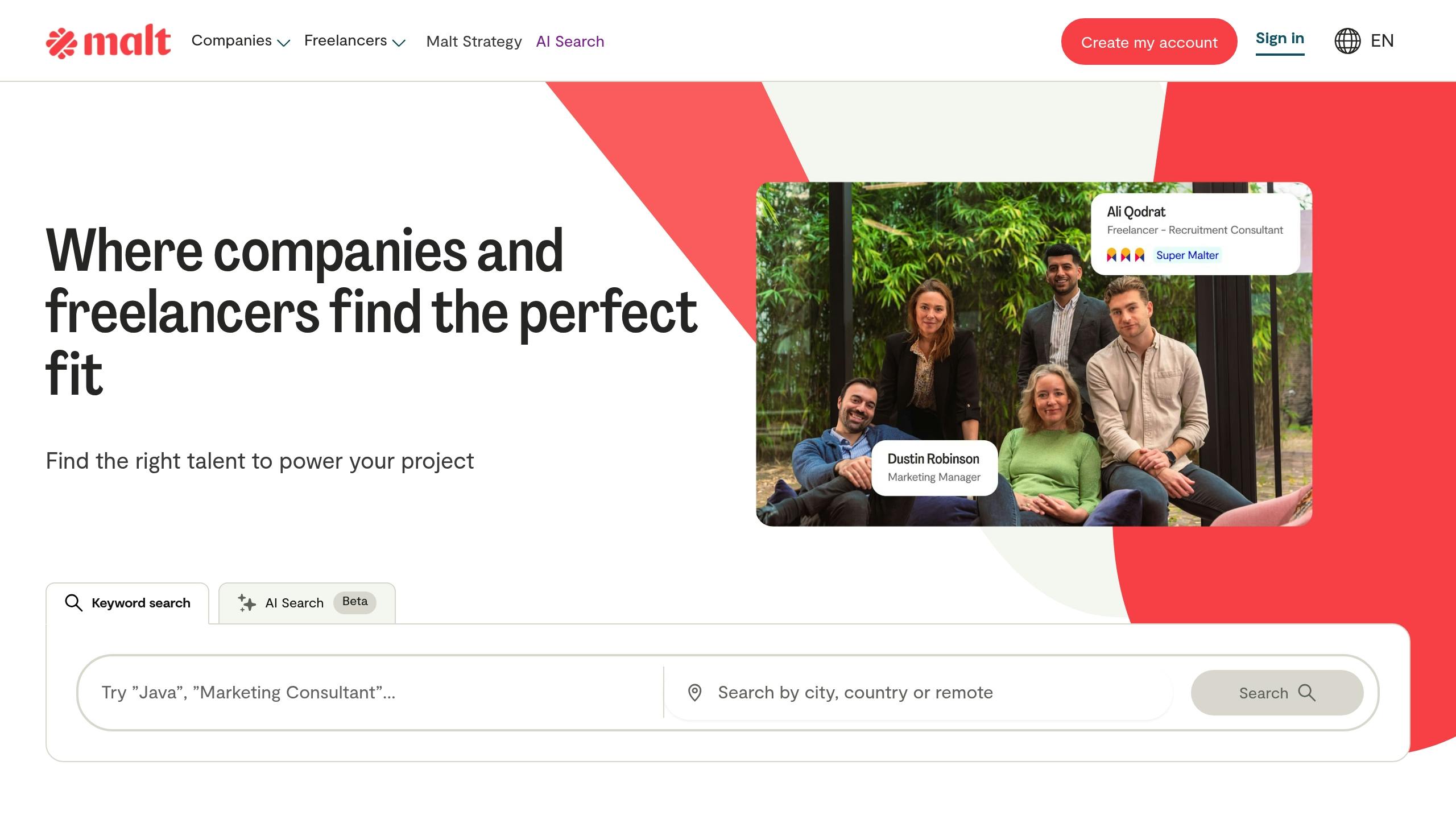
From Machine to Meaning: Malt’s AI-Driven Localization
Best Practices for AI-Driven Localization
Get the most out of AI localization by blending automation, human expertise, and data-driven insights.
Keeping Brand Consistency Across Languages
To maintain a unified brand voice across different languages, start by training AI systems to reflect your brand's personality. This begins with creating brand-specific guidelines before the first translation even happens.
Use AI-powered style guides and glossaries to lock in your brand’s terminology, tone, and formatting rules. These tools ensure that every piece of localized content aligns with your identity. For example, when Pressmaster.ai processes your content, it automatically references these resources, ensuring your message stays consistent globally.
"Pressmaster learns your unique voice and beliefs, creating content that sounds like you wrote it." - Pressmaster.ai
To teach the AI your communication style, feed it content like your website copy and press releases. Stephen Meadows, COO at Coldwell Banker Premier, shared his experience:
"It captured my voice and tone precisely." - Stephen Meadows, COO at Coldwell Banker Premier
Consistency in terminology is especially critical for industries with technical jargon or specialized language. A well-tuned AI system can flag inconsistencies or deviations, prompting human review when necessary. This ensures that product names and key messages don’t get lost - or worse, mistranslated - across markets.
For U.S.-based companies expanding globally, it’s essential to balance American English conventions with local adaptations. Your style guide should clarify when to use imperial measurements (miles, pounds, Fahrenheit) versus metric, and specify formats for currency ($1,234.56) and dates (MM/DD/YYYY).
Replicating a brand voice isn’t just about word choice. Modern AI can also learn your emotional tone, level of formality, and even humor. This means a playful tech startup won’t sound overly stiff in German, and a serious financial firm won’t come across as too casual in Spanish.
Once the AI sets the foundation, human expertise ensures the finer details are just right.
Combining AI with Human Expertise
The best localization strategies combine AI’s speed and consistency with human expertise for nuance and cultural understanding. This hybrid approach delivers both efficiency and quality.
AI is great at handling large volumes of content. It excels at routine tasks like translations, maintaining terminology databases, and applying formatting rules. But it’s the human editors who fine-tune the content, ensuring it resonates with local audiences. They’re essential for addressing cultural nuances, idiomatic expressions, and sensitive topics.
For instance, when dealing with crisis communications, regulatory updates, or culturally sensitive content, human review becomes critical. AI might miss subtle meanings in idioms, metaphors, or regional humor, but a skilled editor can catch and correct these issues before they become problems.
To strike the right balance, let AI manage routine translations while reserving human input for high-stakes content. This approach keeps costs down while ensuring quality where it matters most.
Finally, analytics can help improve the process even further.
Using Analytics for Continuous Improvement
Data-driven insights are the key to moving from good localization to great localization. Use tools like performance dashboards and A/B testing to refine your strategies over time.
Track metrics like engagement, conversion rates, and audience feedback to see how well your localized content is performing. For example, Pressmaster.ai’s analytics provide a centralized view of how your content is doing across all platforms. John Smedley saw a 230% increase in conversion rates for French purchases after implementing AI-powered localization, proving how impactful the right approach can be[1].
Monitoring error rates can also reveal recurring translation challenges. If certain phrases or concepts consistently trip up the system, you can update your style guides or training data to address these weaknesses.
Regularly analyzing these data points not only improves the quality of your localization but also helps demonstrate ROI. By comparing metrics like conversion rates, time-to-market, and cost-per-translation before and after AI implementation, you can clearly show the value of your investment.
Conclusion: How AI Simplifies PR Localization
AI has reshaped the way PR teams handle content localization, transforming what used to be a demanding and time-intensive process into an efficient and streamlined workflow. By addressing common challenges, AI offers a range of benefits that are changing the game for public relations.
For starters, AI localization slashes time-to-market by up to 80%. This means brands can launch campaigns globally at the same time, while automating large-scale translation tasks to reduce costs by as much as 60%. Take Reddit, for example: leveraging these tools, they managed to quadruple daily active users and grow international revenue by 82% [3][4][6].
But it’s not just about speed and savings. Modern AI localization goes deeper, tailoring language, visuals, and even design to align with local preferences. This ensures campaigns are not only accurate but also culturally relevant, helping messages connect in a way that feels genuine to local audiences [5]. For PR teams in the U.S., AI tools make it easy to adapt content to local conventions while maintaining flexibility for global markets.
Another advantage? Real-time analytics. AI platforms now monitor translation quality and track audience engagement, giving PR teams actionable insights to fine-tune their localization strategies as they go [2].
Platforms like Pressmaster.ai are leading the charge, offering an all-in-one solution for content creation, localization, distribution, and analytics. These tools ensure that while campaigns are automated for efficiency, they still maintain the brand’s unique voice - a critical factor for teams managing global campaigns.
FAQs
How does AI make sure localized content is accurate and culturally relevant for different audiences?
AI plays a key role in crafting content that feels authentic and connects with local audiences. By analyzing regional trends, language nuances, and audience preferences, it fine-tunes content to align with local customs, values, and communication styles. This ensures the message strikes the right chord with diverse markets.
What’s more, AI doesn't stop there - it learns and evolves by studying audience interactions and feedback. This ongoing process helps it stay in tune with cultural contexts, delivering content that not only feels consistent and trustworthy but also meets the unique expectations of specific regions and platforms.
What are the key advantages of using AI for localizing PR content over traditional methods?
Using AI to localize content in PR campaigns comes with some clear advantages. First, it dramatically cuts down the time it takes to tailor materials for different markets, far outpacing traditional methods. Plus, AI ensures that your messaging stays on-brand by keeping a consistent tone and voice across multiple languages - something that’s crucial for protecting brand identity.
Another perk? AI can tweak content to align with specific platform requirements and local preferences, making it easier to connect with a variety of audiences. And by automating repetitive tasks, it not only trims costs but also gives PR teams more room to focus on big-picture strategies and creative work.
How can AI tools like Pressmaster.ai streamline PR workflows while ensuring brand consistency?
AI tools, like Pressmaster.ai, streamline PR tasks by taking care of labor-intensive duties such as creating content, distributing it across multiple channels, and formatting it for various platforms. These tools can also analyze trends, align with your brand's tone, and ensure your messaging stays consistent across all communications.
By cutting down on manual work and integrating smoothly with your existing workflows, AI boosts productivity. This gives PR teams the freedom to concentrate on strategic planning and creative efforts, all while keeping the brand's identity unified.
Related Blog Posts








Sign Up for our Pressmaster Newsletter
Sign up for our Pressmaster.ai newsletter to get instant alerts on trending topics, ensuring you stay ahead in your field with the latest insights and updates.


.avif)
.png)

.avif)


7 Viral Patterns That Drove 10,643% Growth
Turn natural conversations into content gold, make every insight count, and drive real conversations.

Please fill out the form to get our Viral Cheat Sheet


How to Become a Thought Leader in 6 Easy Steps
Increase your visibility, establish authority, and conquer your market with minimal effort.

Please fill out the form to get our PDF Checklist
