
How PR Teams Measure Thought Leadership Impact

Thought leadership in PR is about positioning yourself as a trusted authority. But measuring its impact can be challenging. Here's how PR teams track success:
- Website Traffic: Check if content drives visitors to your site.
- Social Media Metrics: Monitor engagement, follower growth, and shares.
- Media Placements: Count podcast appearances or media features.
- Backlinks & SEO: High-quality backlinks boost authority and visibility.
- Audience Perception: Use surveys or feedback to gauge credibility.
Tools like unified analytics dashboards simplify tracking. These platforms consolidate data across channels, provide real-time insights, and even predict trends using AI. The key is aligning metrics with business goals, like lead generation or brand awareness, and presenting results in actionable reports for stakeholders.
Bottom line: Thought leadership is measurable when you focus on meaningful data, integrate analytics tools, and connect efforts to tangible outcomes.
Key Metrics for Measuring Thought Leadership Success
Quantitative Metrics
Quantitative metrics give you hard data to evaluate how well your thought leadership efforts are performing [1].
-
Website Traffic and Engagement
Publishing content or making media appearances often leads to a spike in website visits. You can amplify this by focusing on SEO, cross-promoting content, and consistently delivering high-quality material. -
Social Media Metrics
Metrics like engagement rates, follower growth, shares, and comments indicate how well your content connects with your audience. To improve these numbers, consider posting regularly, asking engaging questions, responding to comments quickly, and experimenting with formats like videos or infographics. -
Media Placements
Being featured on podcasts or in media outlets is a strong indicator of success, especially as podcast audiences continue to grow [1]. -
Downloads and Subscriber Growth
Tracking downloads of gated content and monitoring email subscriber growth can show how effectively you're converting interest into action. Use clear calls-to-action, offer previews, promote through multiple channels, and provide incentives to encourage signups. -
Backlinks and Domain Authority
High-quality backlinks not only improve SEO but also signal respect from peers within your industry. To earn more backlinks, create content that others want to link to, collaborate with industry experts, and reach out to relevant websites for mentions.
While these metrics focus on measurable outcomes, they only tell part of the story. To understand how your audience perceives your authority, you’ll need to look at qualitative metrics.
Qualitative Metrics
Qualitative metrics dig deeper into how your audience views your expertise and credibility [1]. These insights complement the data from quantitative metrics, offering a fuller picture of your thought leadership impact.
Quantifying the Real Value and Impact of Thought Leadership
Tools and Platforms for Thought Leadership Analytics
Keeping track of thought leadership analytics across multiple channels can feel like a juggling act for PR teams, especially without the right tools to bring it all together. It’s no wonder that 72% of PR professionals now rely on data analytics tools to measure campaign performance, and 64% integrate PR metrics with broader marketing KPIs [2]. The solution lies in platforms that unify your data and provide insights you can act on. A unified dashboard can simplify this process by gathering all the critical metrics in one place.
Unified Analytics Dashboards
One of the biggest hurdles PR teams face is dealing with fragmented data. In fact, 41% of organizations report that their current systems can’t handle large volumes of data from various sources, and 30% of users struggle to identify which data is actually useful [4]. This is where unified analytics dashboards come in.
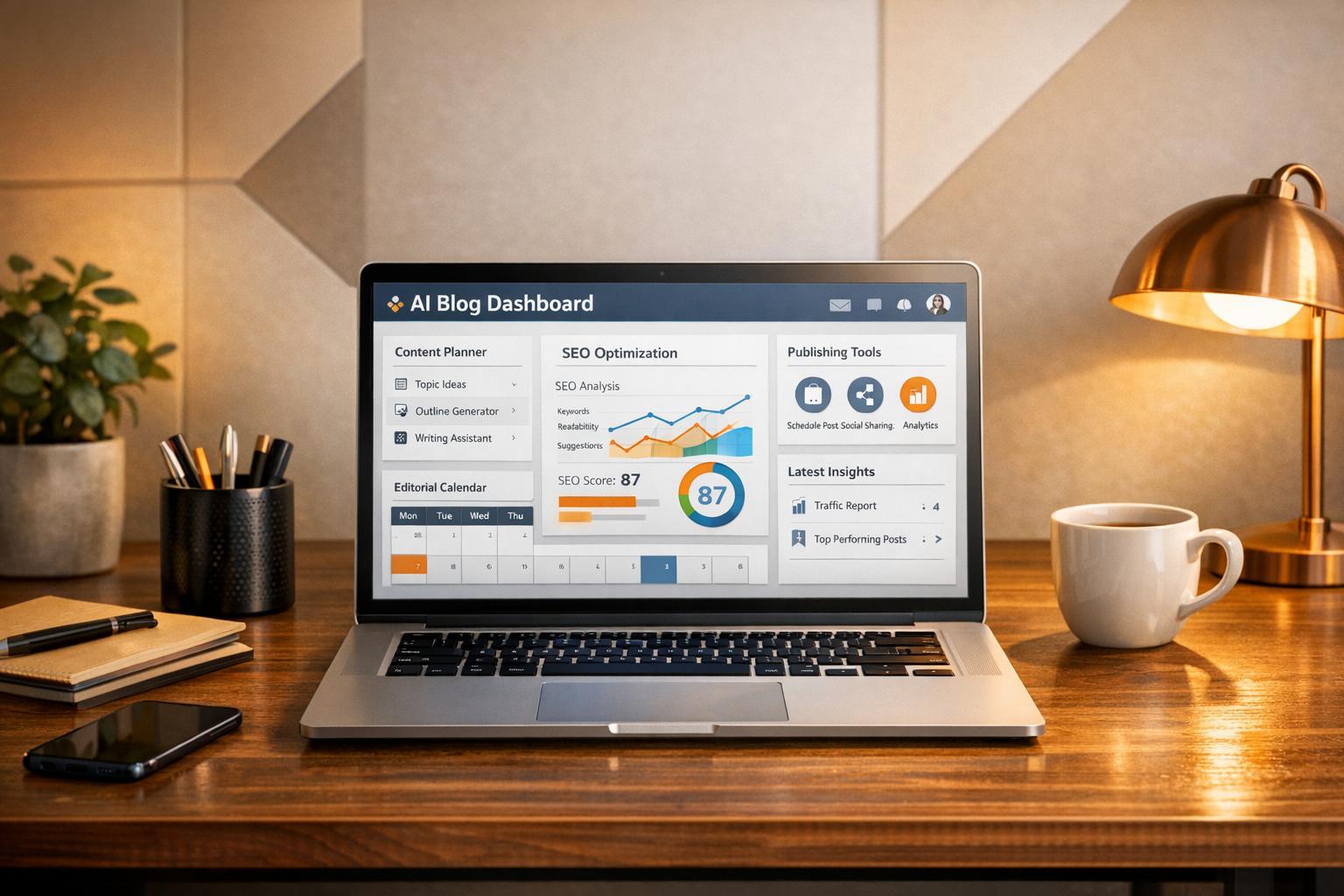
These dashboards eliminate data silos by pulling information from your website, social media platforms, press mentions, and content distribution channels into a single, easy-to-access hub. Instead of hopping between multiple tools to check performance metrics, you get a clear picture of how your content is performing across all channels.
"As an agency, the client's active campaign dashboard and final report showcase our work. It's important that we present key metrics accurately in an easy-to-digest way. That way, we're able to identify insights that lead to actionable campaign optimizations, whether that is in real-time or a takeaway for future marketing campaigns." - Ashlee Brown, Campaign Performance Manager, i76 Solutions [3]
Take Pressmaster.ai's unified analytics dashboard as an example. It pulls together metrics from all connected platforms into one streamlined interface. This means PR teams no longer have to manually gather data from different sources. Instead, they can view everything in real-time - from engagement rates to lead generation stats - making it easier to spot trends and measure success.
When choosing an analytics platform, keep an eye out for these key features:
- Real-time monitoring: This allows you to react quickly to trending topics or sudden spikes in engagement.
- Customizable options: Whether you’re tracking specific keywords, monitoring sentiment, or measuring media coverage in different regions, the platform should adapt to your needs.
- User-friendly interface: A tool that’s simple to navigate ensures your team can use it effectively without extensive training.
- Seamless integration: The platform should connect with your existing tools - like your CRM, email marketing software, and social media management systems - so you can see how thought leadership efforts affect your entire marketing funnel.
While dashboards help centralize your data, advanced trend analysis tools take it a step further by turning insights into actionable strategies.
Trend Analysis and Content Optimization
The best analytics platforms don’t just track what’s happening now - they help you anticipate what’s coming next. Trend analysis enables thought leaders to predict future developments by analyzing historical data [5]. This shifts your content strategy from simply reacting to proactively addressing what’s on the horizon.
With the rise of AI, 47% of PR professionals now use AI-powered tools to process massive amounts of data and identify emerging trends before they hit the mainstream [2]. Manual trend tracking just can’t keep up with the speed and complexity of today’s information flow.
"Trend analysis is a key component of each successful marketing strategy. It helps brands convey their marketing messages through a prism of the most relevant and actual topics to a target audience." - Alina Hura, International Marketing Manager, YouScan [6]
For instance, Pressmaster.ai's Trendmaster feature scans over 500,000 sources daily to detect major industry shifts weeks before they surface. It doesn’t just identify trends - it provides actionable insights, such as content angles designed to engage your audience. This turns data into a roadmap for building impactful content strategies.
Beyond identifying trends, these platforms also help you understand consumer behavior patterns and competitor strategies. By analyzing customer sentiment from social media and reviews, you can gauge public perception and fine-tune your messaging. Keeping an eye on competitor content performance can also reveal gaps in the market where your expertise can stand out.
The most effective tools go beyond trend detection - they offer content optimization recommendations. They help you decide how to position your expertise within trending conversations for maximum impact. This could mean suggesting the best times to post, the formats your audience prefers, or specific angles that resonate with your target market. These insights feed directly into your broader PR strategy, improving both measurement and alignment with your goals.
Look for platforms that include historical baseline analysis and predictive modeling. Historical analysis helps you differentiate between normal data fluctuations and genuine trends, while predictive tools allow you to plan your content around anticipated industry developments. Together, these features ensure your thought leadership efforts stay ahead of the curve.
Using Analytics to Improve Thought Leadership Strategy
Having access to analytics tools is just the starting point. The real impact comes from understanding the data and using it to fine-tune your approach. Successful PR teams don’t stop at gathering metrics - they turn those numbers into actionable strategies that continuously improve results. Let’s dive deeper into identifying content that makes a real difference.
Finding High-Impact Content
When it comes to thought leadership, knowing what resonates with your audience is crucial. Consider this: 60% of C-suite executives read thought leadership articles to guide their decisions, and 55% of decision-makers use such content to evaluate potential vendors or organizations [8]. This means your content isn't just competing for clicks - it's influencing critical business decisions.
To find the content that hits the mark, start by analyzing social media impressions, engagement levels, and newsletter subscriptions [7]. Identify which topics spark the most shares, comments, and discussions. These metrics help paint a picture of what your audience finds valuable.
Another important metric is website session length [7]. If readers are spending more time exploring your site after clicking on a thought leadership piece, it’s a clear sign your content is engaging and relevant. Combine this with data on return visitors - are people coming back for more? That’s a strong indicator of trust and interest.
"Value is what matters. To assess value, look at their feedback. Are people engaging by liking and sharing? By leaving positive or negative comments or reviews? Are they returning to your website after a first visit? Once you get someone through the door, how are you keeping them there? Are you bringing them back? And how do you plan to build a lasting positive relationship with them?" - Tracy Flack, Integrated Content Strategist [7]
Don’t forget to gather qualitative feedback from your sales team and surveys [7]. Sales teams often hear directly from prospects about which content influenced their decisions. This kind of feedback can uncover the impact of content that might not show up in traditional analytics.
Tools like Pressmaster.ai's analytics dashboard make this process easier by tracking engagement patterns across platforms. This allows you to quickly identify the content formats, topics, and channels that deliver the best results.
Adjusting to Audience Behavior
Once you’ve identified what works, the next step is adapting your strategy to fit audience behavior. For instance, 37% of decision-makers spend one to two hours a week reading thought leadership content, while 21% spend four or more hours [8]. This shows that your audience is actively seeking insights, but they’re selective about where they invest their time.
Pay close attention to sales conversations to gauge how well your content is building trust [7]. If prospects are coming into discussions already familiar with your company’s perspective, it’s a sign your thought leadership is making an impact. These conversations often shift from basic introductions to deeper, solution-oriented discussions.
Audience behavior data can also help you fine-tune the timing and format of your content. By analyzing when your audience is most active and which formats drive the most engagement, you can better align your content calendar with their preferences.
Monitor media placements to evaluate how well your thought leadership is gaining traction in PR [7]. If journalists frequently cite your executives or reference your insights, it’s a strong signal that your content is building authority. Prioritize target publications that are most likely to reach and engage your audience [7]. This ensures your efforts are focused where they’ll have the greatest impact.
Reporting Results to Stakeholders
Turning analytics into clear, actionable reports for stakeholders can be tricky. 75% of communications professionals admit they could improve how they measure PR, and 67% say linking PR metrics to business outcomes is their biggest challenge [10]. The solution? Focus on metrics that connect directly to business goals, not just vanity numbers.
Start by setting SMART (Specific, Measurable, Achievable, Relevant, and Time-bound) objectives for your campaigns [11]. This makes it easier to measure success against clear benchmarks, rather than scrambling to justify results after the fact.
"Metrics are like a compass for businesses. Their relevancy equates to them serving as the North Star that guides decision-making, revealing the performative path to success." - Professor Shanita Baraka Akintonde [11]
When presenting to stakeholders, go beyond the numbers. Highlight key findings, actionable insights, and recommendations for improvement [11]. Explain not just what happened, but why it matters and what steps you’ll take moving forward. Use visual data like charts and graphs to make your reports more engaging and easier to grasp.
Leverage PR attribution data to show how thought leadership efforts contribute to tangible outcomes like qualified leads or shorter sales cycles [9]. This reinforces the connection between analytics, content strategy, and business success.
Finally, gather feedback from stakeholders through surveys, interviews, and online reviews [11]. Different stakeholders care about different metrics - your CMO might focus on lead generation, while your CEO could be more interested in brand reputation and market positioning. Tailor your reports to address these priorities.
While 96% of PR professionals measure coverage and stories placed, don’t let that be your sole focus [10]. Emphasize the quality and business impact of your coverage. A single mention in a key publication that generates leads is far more valuable than dozens of mentions with no meaningful engagement.
With tools like Pressmaster.ai's unified analytics dashboard, you can streamline reporting by automatically generating reports that link thought leadership activities to business goals. This saves time and ensures your reports consistently demonstrate the strategic value of your PR efforts.
Best Practices for Measuring Thought Leadership Impact
To measure thought leadership effectively, it's essential to connect metrics directly to business outcomes while leveraging AI tools to streamline the process. These approaches emphasize the importance of tying thought leadership efforts to tangible results that drive growth.
Connecting Metrics to Business Goals
The cornerstone of measuring thought leadership lies in aligning metrics with specific business objectives. This goes beyond tracking surface-level numbers to linking public relations (PR) efforts with meaningful outcomes.
"We always start PR efforts by tying them directly to measurable business goals - like boosting brand awareness or driving leads." - Justin Belmont, Founder & CEO of Prose [12]
PR teams work closely with company leadership to define objectives such as increasing brand awareness, acquiring new customers, or managing reputation. Campaigns are then designed to support these goals through targeted media coverage, thought leadership content, and community engagement.
"Aligning PR efforts with business objectives means ensuring every campaign, media feature, and communication strategy directly supports the company's long-term goals." - Julie Collins, Marketing Director at The Fruitguys [12]
Using SMART objectives - goals that are Specific, Measurable, Achievable, Relevant, and Time-bound - allows teams to establish clear benchmarks for success. This approach transforms thought leadership from a creative endeavor into a strategic tool for driving growth.
Using AI for Better Efficiency
AI-powered tools are revolutionizing how PR teams measure and analyze thought leadership performance. By automating repetitive tasks, AI frees up teams to focus on strategy. For example, Bamboo Rose uses AI to cut down the time required to create a press release from two days to just one hour [14].
To fully harness AI, it's important to define clear goals for analytics tools and choose platforms with customizable dashboards, detailed reports, and real-time alerts [13]. Pressmaster.ai, for instance, consolidates metrics from various platforms into a single dashboard and uses AI to uncover optimization opportunities.
"I fear that this is not a great time to be in the media analysis, social media analysis tech/tool business. GPT-based models are already better at media coverage sentiment analysis than current automated off the shelf solutions." - Maya Koleva, Head of Research and Insight at Commetric [13]
Proper training for team members, adherence to ethical standards for data privacy, and seamless integration with existing systems ensure that AI enhances strategic decision-making rather than replacing it.
Future Trends in PR Analytics
As AI improves efficiency, the next big step in PR analytics is using predictive tools to shape future outcomes. The public relations market is expected to grow to $143.19 billion by 2029, with a compound annual growth rate (CAGR) of 6.1% [14]. Predictive PR, powered by AI, is evolving beyond traditional media monitoring to help brands anticipate risks and tailor outreach strategies.
Real-time predictive analytics can process data instantly, enabling PR teams to address potential issues before they escalate [14]. Hyper-personalized campaigns are also gaining traction, with nano-influencers (those with fewer than 10,000 followers) delivering 20 times the ROI per dollar spent compared to macro-influencers [14].
Transparent reporting is becoming increasingly important. A survey found that 77% of people on X (formerly Twitter) have a better opinion of brands that engage directly with their audience [14]. Clear communication about campaign performance builds trust and reinforces credibility.
To stay ahead, PR teams should invest in AI-powered tools, enhance their data analysis skills, and establish integrated frameworks that align PR metrics with broader business goals [2]. Embracing these trends will help teams showcase the real value of their thought leadership efforts and maintain a competitive edge.
FAQs
How can PR teams measure thought leadership success while aligning it with business goals?
To evaluate the success of thought leadership efforts while staying aligned with business goals, PR teams should begin by setting clear, measurable objectives that tie directly to the organization's key priorities. These could include increasing brand visibility, driving more traffic to the website, or attracting qualified leads. Connecting thought leadership strategies to these goals ensures that every campaign contributes meaningfully to the company’s broader ambitions.
Tracking impact requires leveraging analytics tools to monitor engagement, audience sentiment, and how well content performs. Metrics such as social shares, media mentions, and the amount of time audiences spend interacting with content can reveal what’s working and where adjustments are needed. Consistent collaboration with other departments helps ensure PR strategies are in sync with company-wide initiatives, fostering a cohesive and effective approach to success.
What features should a unified analytics dashboard have to measure thought leadership success?
When evaluating an analytics dashboard to measure thought leadership success, it’s important to focus on tools that offer real-time metrics and highlight key performance indicators (KPIs). These should help you assess the impact of your campaigns effectively. Prioritize features that track reach and engagement, media mentions, backlinks, and social media growth. Additionally, dashboards with content performance analytics and influence measurement can give you a clearer understanding of how well your campaigns connect with your audience and help establish your authority in the field.
How do trend analysis and content optimization drive successful thought leadership strategies?
Trend Analysis and Content Optimization: Building Strong Thought Leadership
Keeping up with emerging industry trends is crucial for crafting content that stands out. When organizations tap into new and relevant topics, they can produce content that truly connects with their audience. By optimizing this content, you enhance its reach and engagement, while also boosting your brand's credibility and authority in the field.
These strategies do more than just increase visibility - they help forge genuine connections with your audience, setting the stage for lasting influence and success.






Sign Up for our Pressmaster Newsletter
Sign up for our Pressmaster.ai newsletter to get instant alerts on trending topics, ensuring you stay ahead in your field with the latest insights and updates.


.avif)
.png)

.avif)


7 Viral Patterns That Drove 10,643% Growth
Turn natural conversations into content gold, make every insight count, and drive real conversations.

Please fill out the form to get our Viral Cheat Sheet


How to Become a Thought Leader in 6 Easy Steps
Increase your visibility, establish authority, and conquer your market with minimal effort.

Please fill out the form to get our PDF Checklist
