
Multi-Channel PR Distribution: Ultimate Guide

Multi-channel PR distribution is about delivering your brand's message across multiple platforms simultaneously, ensuring a consistent presence where your audience engages most. This approach outperforms outdated single-channel methods by combining data-driven insights, automation, and platform-specific strategies.
Why it matters:
- Brands using multi-channel PR see 9.5% annual revenue growth and 91% higher customer retention.
- Only 73% of businesses have fully developed plans to leverage this model, leaving significant growth potential untapped.
Key Takeaways:
- Audience-first strategy: Understand audience behaviors and tailor content to their preferences.
- Consistent messaging: Maintain your brand voice across all channels to build trust.
- Platform-specific content: Adapt content formats to fit the strengths of each platform (e.g., LinkedIn for thought leadership, Instagram for visuals).
- Leverage AI tools: Platforms like Pressmaster.ai automate content creation, distribution, and performance tracking, saving time and resources.
- Measure and refine: Use analytics to adjust campaigns in real-time and improve ROI.
Multi-channel PR ensures your brand remains visible, relevant, and impactful in a fragmented media landscape. By combining technology and strategy, even smaller businesses can compete effectively.
Advanced Content Marketing: Multi Channel Content Distribution
Key Elements of Multi-Channel PR Strategy
Creating a successful multi-channel PR strategy hinges on three essential elements that amplify your brand’s reach and effectiveness. These elements ensure your campaigns don’t just reach more people - they connect with the right audience, deliver the right message, and do so at the right time.
The difference between scattered communication and a well-executed multi-channel approach lies in how seamlessly these elements work together. Companies that master this coordination experience 23x higher customer acquisition rates compared to those relying on a single-channel approach[5]. This impressive result comes from campaigns designed to make each channel part of a unified system.
Audience Research and Targeting
A strong multi-channel strategy starts with understanding your audience on a deeper level. It’s not enough to know their demographics - you need to uncover their behaviors, preferred sources of information, and what motivates them. Tools like Google Analytics, social media insights, and surveys are invaluable for building detailed audience profiles that guide both content creation and channel selection.
Segmentation is key to making an impact. For example, a B2B software company might discover that C-suite executives prefer LinkedIn and industry publications, while technical users are more engaged on niche forums and Twitter. By recognizing that your audience consists of distinct groups with unique preferences, you can fine-tune both your messaging and distribution strategies to resonate with each segment.
Timing also plays a crucial role. Some audiences may be most active during lunch breaks, while others engage more in the evenings or on weekends. Once you’ve identified these patterns, you can deliver content at the moments when your audience is most receptive. Consistent messaging across all channels further strengthens these efforts.
Brand Message Consistency Across Channels
No matter the platform, your brand voice and core message should remain consistent. While the format and tone may vary depending on the channel, maintaining a unified voice builds trust and reinforces your brand identity with every interaction.
Inconsistent messaging can confuse your audience and damage trust. If someone encounters conflicting information or varying tones across your channels, it undermines the sense of professionalism and reliability.
"Because humans CRAVE authentic connection. We seek REAL conversations. We want GENUINE interactions."
This authenticity is especially important in a multi-channel environment. Every interaction should reflect your brand’s core values and personality, creating a cohesive experience. Modern AI tools, like Pressmaster.ai, can help maintain this consistency by analyzing your existing content to replicate your unique brand voice across all platforms.
Once your brand voice is solidified, the next step is choosing the right channels to deliver your message.
Selecting the Right Distribution Channels
Choosing the right platforms is critical to the success of your multi-channel strategy. The goal is to focus on the channels where your target audience is most active and engaged while leveraging the unique strengths of each platform.
| Media Type | Purpose | Key Channels | Best For |
|---|---|---|---|
| Owned Media | Full control | Website, blog, newsletters | In-depth content, brand stories |
| Earned Media | Third-party validation | Press coverage, guest articles | Building credibility |
| Shared Media | Audience engagement | LinkedIn, Twitter, forums | Real-time connections |
The most effective strategies combine these media types. For instance, research from Nielsen shows that campaigns using both social media and television achieve a 12-point lift in brand recall compared to single-channel campaigns[2]. Similarly, pairing radio with television can increase TV ad recall by 35%, thanks to the reinforcing effect of frequent radio exposure[2].
It’s also important to consider the customer journey. A potential customer might first discover your brand on social media, then research it via search engines, read about it in industry publications, and finally convert through email marketing. Using data from past performance analytics can help identify which channels deliver the best engagement, conversion rates, and ROI, ensuring every touchpoint works together seamlessly.
Modern automation tools make this process more efficient, allowing you to distribute your message across multiple channels simultaneously while tailoring the format and style for each platform. This not only saves time but also reduces the errors that often come with manual processes, making multi-channel campaigns more streamlined and effective than ever.
Multi-Channel PR Distribution Best Practices
Effective multi-channel PR campaigns link platforms to boost engagement while staying true to the brand's voice. Companies with strong omnichannel strategies retain 89% of their customers on average, compared to just 33% for those with weaker approaches[3].
The secret lies in recognizing that each channel serves a distinct role in the broader strategy. Instead of treating them as isolated platforms, successful brands create cohesive experiences that guide audiences from discovery to engagement and, ultimately, conversion.
Content Format Variety
People consume information in different ways. While some enjoy detailed articles, others prefer visual content like infographics or short videos. By offering a mix of formats, you can engage various segments of your audience.
In fact, 72% of consumers prefer engaging with brands across multiple channels[3]. This preference extends not only to platforms but also to the types of content they encounter on each one.
Tailoring content to each platform is crucial. Instagram thrives on visually appealing stories and short videos, while LinkedIn audiences favor thought leadership pieces and professional insights. Twitter is ideal for real-time updates and conversations, whereas YouTube caters to those seeking in-depth video explanations.
For instance, a tech company launching a new product might take a multi-channel approach: sharing a press release with media outlets, posting explainer videos on YouTube, creating Instagram infographics, and hosting podcast interviews with the product team[2][6]. This strategy leverages each platform's strengths while catering to diverse audience preferences.
Repurposing content effectively can also save time while extending your reach. A single blog post can be transformed into a LinkedIn carousel, a Twitter thread, a YouTube short, and even an email newsletter segment. The core message remains the same, but the format adapts to suit each platform's audience and style.
The key is to balance consistency with flexibility. While your message stays unified, the way it’s delivered should align with what works best for each channel.
Data-Driven Strategy Improvement
Real-time analytics have turned multi-channel PR into a precise science. Modern campaigns generate vast amounts of data, and the brands that succeed are those that use this information to fine-tune their strategies.
Real-time feedback allows for quick adjustments. By analyzing which messages resonate within hours of being published, you can tweak your approach while the campaign is still active. This agility gives you a clear edge over competitors who wait until the campaign ends to evaluate results.
Key metrics to monitor include reach, engagement, conversion rates, media mentions, and sentiment analysis. However, the real value lies in understanding how these metrics interact across platforms[3][6].
For example, LinkedIn posts might generate the highest-quality leads, Twitter might drive immediate engagement, and email newsletters could deliver the strongest conversion rates. With this knowledge, you can allocate resources more effectively and tailor your content strategy to each platform's strengths.
Cross-channel analysis uncovers hidden patterns that single-platform metrics might miss. A customer could first discover your brand on social media, research it through search engines, read about it in industry publications, and finally convert through an email. Understanding these journeys helps you optimize each step for greater impact.
Marketers who adopt multi-channel approaches report an average 24.8% increase in ROI compared to single-channel campaigns[3]. This improvement stems from the ability to double down on what works and quickly phase out what doesn’t. Using data to refine strategies ensures your brand's message remains authentic even as distribution scales.
Keeping Brand Messages Genuine
While data-driven insights are invaluable, staying authentic is just as important as brands scale their efforts. Automation and AI have made PR distribution more efficient, but they also present challenges when it comes to maintaining a genuine brand voice. The most successful brands use these tools to amplify their human touch, not replace it.
Audiences today value authentic connections over overly polished corporate messaging. In a world where AI can churn out endless content, genuine human insights and experiences stand out even more. This has created what experts call an "authenticity premium", where originality and expertise capture attention[1].
The challenge is to maintain this authenticity while scaling across multiple channels. The solution lies in using automation strategically - to manage distribution and formatting - while keeping the human elements that make your brand unique.
AI tools should enhance, not replace, your voice. Platforms like Pressmaster.ai can learn your brand's tone, style, and messaging patterns, ensuring consistency across channels while retaining the personal touch audiences connect with.
Strike a balance between efficiency and personalization. Use data to segment your audience and tailor messages based on user behavior, but always include human oversight and creativity[6]. The goal is to create content that feels polished yet personal.
The brands that excel in multi-channel PR are those that see technology as a means to strengthen human connections, not replace them. By combining automation with authentic storytelling, they ensure consistent delivery while preserving the unique perspectives that make their messages resonate.
When paired with the right tools and strategies, this approach can streamline processes while keeping the human elements that truly engage audiences.
Tools and Technology for Multi-Channel PR Distribution
Managing PR across multiple channels can be a logistical headache. Without the right tools, teams often face inconsistent messaging, missed opportunities, and wasted resources. Adapting content for various platforms, keeping track of performance metrics, and turning data into actionable insights can feel like an uphill battle[2][3].
To overcome these challenges, modern PR teams are turning to technology that simplifies the entire process - from content creation to distribution and analytics. The best solutions combine automation with artificial intelligence, streamlining workflows while preserving the personal touch that makes a brand relatable.
Here’s why this matters: 95% of marketers say multi-channel strategies have improved their targeting, leading to a 9.5% revenue increase and 91% higher customer retention[4]. These numbers highlight the growing importance of technology in staying competitive in the PR landscape.
How Pressmaster.ai Simplifies PR Distribution
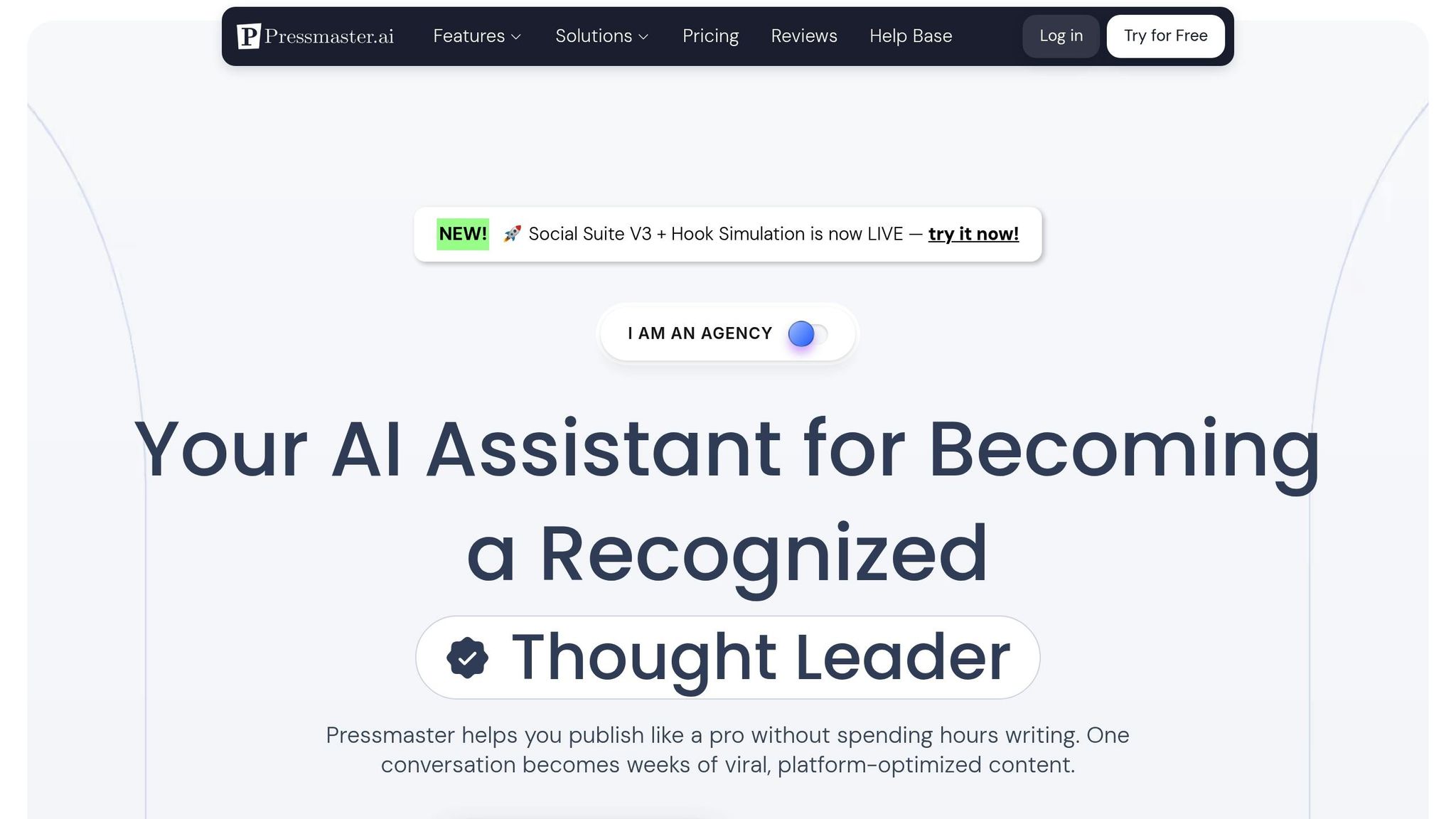
Pressmaster.ai tackles the complexities of multi-channel PR with an all-in-one platform designed to handle everything from content creation to performance tracking. By automating repetitive tasks while keeping your brand’s voice intact, it solves problems that traditional methods struggle to address.
AI Content Creation is at the heart of the platform. Instead of manually crafting content for each channel, the system generates high-quality press releases, articles, and thought leadership pieces tailored to your brand’s style. The AI learns your tone and communication patterns through writing samples, ensuring consistency across platforms.
Take Wesley Pitts, the Founder of KnoxBots and TerraSYNC, for example. After adopting Pressmaster.ai, his content saw a 10,643% jump in post impressions and a 24% boost in followers within a week. Another user reported gaining over 400 LinkedIn followers for their business in just one day.
Multi-Channel Distribution is another game-changer. The platform automates publishing across press networks, social media, and custom newsrooms, adapting content formats to fit the unique requirements of each platform. This ensures your message reaches the right audience without the manual hassle.
The Trend Analysis feature scans more than 500,000 data sources daily, spotting emerging topics weeks before they become mainstream. This allows brands to create timely, relevant content that positions them as leaders in their industry.
Customizable Newsrooms provide a professional hub for your media presence. These branded spaces showcase press releases, company updates, and media assets, all accessible to journalists and stakeholders. Setting up a newsroom takes less than an hour, thanks to pre-built templates and drag-and-drop tools.
Finally, Performance Tracking consolidates all your metrics - engagement, reach, conversions, and mentions - into one dashboard. This unified view makes it easier to measure ROI and make quick, informed decisions.
Users of Pressmaster.ai report impressive results, including 7.5x growth in reach, 21x increase in content output, and cost savings of up to 99.5%. By automating time-intensive tasks, the platform allows PR teams to focus on strategy and creativity without sacrificing quality or consistency.
AI and Automation in PR
AI and automation are transforming the way PR teams operate. What used to be a labor-intensive process is now a scalable, data-driven system. With AI, content creation, platform-specific adaptation, and scheduling can all happen simultaneously, making it easier to manage campaigns across multiple channels[6].
These tools address three critical challenges: maintaining consistent messaging, improving efficiency, and gaining actionable insights. AI ensures that your brand guidelines are applied across all channels, eliminating fragmented communication[2][3].
Automated workflows simplify multi-channel distribution while keeping creative control intact. For instance, a single blog post can be repurposed into LinkedIn carousels, Twitter threads, Instagram stories, and email newsletter segments. Each version is optimized for its platform while staying true to the core message.
With real-time analytics, PR teams can track performance as campaigns unfold. This allows for on-the-fly adjustments, ensuring resources are allocated effectively and content resonates with the audience[3][6].
For growing organizations, scalability is a major benefit. While 84% of marketers agree that multi-channel strategies are essential, managing them manually becomes nearly impossible as businesses expand[3]. AI-powered automation ensures quality and consistency, even as teams juggle dozens of channels and hundreds of content pieces.
Machine learning also plays a big role, improving campaign effectiveness over time by analyzing past successes. The more data these systems process, the better they get at predicting what works.
Additionally, modern AI platforms integrate seamlessly with existing tools, eliminating the complexity of managing separate systems for each channel. This unified approach reduces training time and simplifies operations, making multi-channel PR more accessible than ever.
These advancements have shifted PR from a reactive, campaign-based model to a proactive, always-on strategy. By adapting to market trends and audience behavior in real time, brands can stay ahead of the curve and maintain a strong presence across all platforms.
Measuring and Improving PR Campaign Performance
Once you've laid the groundwork for a solid multi-channel PR strategy, the next step is measuring how well it performs. Running a campaign without tracking its impact is like trying to find your way without a map - you might get where you're going, but you'll likely waste resources and miss opportunities along the way. What separates successful PR teams from those that fall short often comes down to how effectively they measure, analyze, and refine their efforts.
Here's a striking fact: while companies with strong multi-channel campaigns often see better business outcomes, only 73% of businesses have well-developed plans to take full advantage of this approach[4].
Setting Clear Goals and KPIs
Every campaign needs a clear vision of success. Vague objectives just don't cut it in today's data-driven world. This is where the SMART framework comes in - set goals that are specific, measurable, achievable, relevant, and time-bound[3].
For example, you might aim to secure 15 positive mentions in U.S. tech media within three months to increase website traffic by 30% and generate 100 qualified leads. This kind of precise goal-setting not only gives you something tangible to work toward but also makes it easier to track your progress.
When it comes to multi-channel PR, some key performance indicators (KPIs) to focus on include:
- Media Coverage Metrics: Number and quality of press mentions, share of voice compared to competitors, and the sentiment of those mentions.
- Engagement Rates: Likes, shares, comments, and mentions across social platforms.
- Traffic and Conversion Metrics: Website visits from PR sources, lead generation, and sales directly tied to PR efforts[3].
It's important to tailor your measurement approach to each channel. For instance, a high engagement rate on Twitter might not carry the same weight as a feature in The Wall Street Journal. Context matters. For reference, social media engagement rates often fall between 2–5%[3].
| Metric Category | Key Performance Indicators | Example Target |
|---|---|---|
| Media Coverage | Press mentions, share of voice, sentiment | 20 positive mentions monthly |
| Engagement | Social shares, comments, mentions | 5% increase in engagement rate |
| Traffic & Leads | Website visits, conversions, sign-ups | 15,000 monthly PR-driven visits |
The trick is to align your KPIs with your company's larger goals. If lead generation is the priority, focus on conversions. If you're aiming for brand awareness, metrics like reach and share of voice should take center stage.
Tracking Performance Data Across Channels
Gathering data from multiple channels used to be a logistical headache, but modern tools have made it much easier. The challenge now lies in interpreting that data effectively.
Media monitoring platforms can track press mentions and online coverage, while social listening tools capture conversations happening on social media. Tools like Google Analytics reveal how PR campaigns drive traffic and conversions. The real task is connecting the dots to uncover meaningful insights[2][3].
It's also crucial to account for the unique characteristics of each channel. For instance, a LinkedIn post reaching 10,000 professionals in your target industry might hold more value than a Twitter post generating 50,000 impressions from a general audience. Quality often outweighs quantity.
Cross-channel attribution helps you see how different touchpoints contribute to the bigger picture. Imagine a prospect first reads about your company in a trade magazine, engages with your LinkedIn content, and finally converts after visiting your newsroom. Without proper tracking, you might mistakenly credit only the last touchpoint, missing the full customer journey.
Platforms like Pressmaster.ai simplify this process by consolidating data from press networks, social media, and custom newsrooms into a single dashboard. This unified view helps you quickly identify patterns and opportunities for improvement without jumping between multiple tools.
Real-time monitoring is another game-changer. If a message performs well on LinkedIn but falls flat on Twitter, you can pivot your resources immediately instead of waiting until the campaign ends to make adjustments.
Once you've gathered the data, the next step is using it to refine your strategy.
Using Feedback for Continuous Improvement
Numbers tell part of the story, but qualitative feedback fills in the gaps. The most effective PR teams actively seek input from their audience, journalists, and stakeholders to fine-tune their campaigns.
Surveys, social media polls, and interviews with key influencers are great ways to gather direct feedback. Even comments on social posts can provide valuable insights into how your message is landing. Negative feedback, while tough to hear, can be a goldmine of learning opportunities when approached constructively.
Sentiment analysis takes this a step further by identifying the emotional tone of your media coverage. For instance, a campaign might generate a lot of press, but if most mentions are neutral or negative, it’s a sign that something needs to change. Automated tools can help you catch these issues early.
Here’s a real-world example: A tech startup discovered through feedback that their press releases were too technical for general business publications. By simplifying their messaging while maintaining accuracy, they boosted media coverage by 40% and saw improved engagement across all channels[3].
Post-campaign debriefs are essential for learning and growth. Bring everyone involved - content creators, distribution managers, and more - to the table. Ask questions like: Which messages performed best? Which channels delivered the highest ROI? What opportunities were missed? Document these lessons to guide future campaigns.
Don’t overlook feedback from internal teams. Sales teams can tell you if PR-generated leads are high quality, while customer service might notice shifts in inquiries after a big PR push. This kind of cross-department collaboration provides a fuller picture of PR’s impact.
The feedback loop should be ongoing. Weekly check-ins during campaigns allow for real-time tweaks, while monthly reviews help spot long-term trends. AI-powered platforms can even automate parts of this process, analyzing sentiment, identifying top-performing content, and predicting optimal posting times.
The secret to improving PR performance lies in small, consistent adjustments rather than sweeping changes. By building on what you learn from each campaign, you’ll see better results over time.
Companies that embrace this feedback-driven approach are better positioned to succeed, especially when 86% of marketers report seeing greater effectiveness from multi-channel strategies[5]. The key is acting on insights quickly and consistently to stay ahead.
Conclusion
In today's fragmented media landscape, multi-channel PR distribution has become a necessity for businesses aiming to stand out. Companies with strategies that span multiple channels consistently outperform those relying on just one[4]. This shift highlights the need to truly understand your audience and fine-tune your messaging to resonate across various platforms.
The cornerstone of successful multi-channel PR lies in a few key elements: deep audience insights, consistent messaging, and a well-chosen mix of channels. The best campaigns are driven by data, treating each initiative as an opportunity to learn and improve. By embracing analytics, businesses don’t just expand their reach - they connect with the right audiences, delivering messages that truly matter.
Take, for instance, the power of integrating channels strategically. Research from Nielsen shows that integrated campaigns significantly enhance brand recall[2]. These aren't small improvements - they’re the difference between being overlooked and achieving meaningful, measurable results.
Modern tools and technologies are making this process more accessible than ever. AI and automation are no longer futuristic buzzwords - they’re practical solutions that simplify content creation, optimize scheduling, and provide real-time performance insights. Platforms like Pressmaster.ai are leading the charge, offering businesses an end-to-end PR solution that handles everything from trend analysis and content creation to multi-channel distribution and tracking - all while preserving an authentic brand voice.
For organizations aiming to establish themselves as thought leaders, a multi-channel approach offers unmatched benefits. It delivers broader reach, deeper engagement, better audience retention, and measurable revenue growth. These aren’t just possibilities - they’re proven outcomes for businesses that execute their strategies effectively. The key is moving away from the outdated "spray and pray" method and instead focusing on targeted, data-driven campaigns that adapt in real time.
This shift toward integrated, analytics-driven PR reflects a broader change in how businesses communicate. In fact, 86% of marketers agree that multi-channel marketing is becoming more effective[5]. The message is clear: single-channel strategies just can’t keep up in today’s competitive environment.
Success in multi-channel PR requires a commitment to constant refinement. The most impactful campaigns aren’t flawless from the start - they evolve quickly based on audience feedback, performance data, and shifting market trends. By maintaining a consistent brand message while tailoring content to fit each platform, businesses can achieve the kind of sustained visibility that drives market leadership.
Whether you’re a startup looking to make your mark or an established company seeking to strengthen your position, multi-channel PR is a powerful tool to build credibility and lead industry conversations. The businesses that master these principles won’t just participate in the dialogue - they’ll shape it.
FAQs
How can small businesses create an effective multi-channel PR strategy on a tight budget?
Small businesses don’t need massive budgets to create an effective multi-channel PR strategy. With the help of automation tools, like Pressmaster.ai, they can streamline key processes and get more done with less effort. These AI-powered platforms make it easier to create and distribute content - whether it’s press releases, articles, or social media updates - across multiple platforms.
By automating these time-consuming tasks, businesses can cut costs, save valuable time, and focus on connecting with their audience. This method not only boosts visibility but also helps small businesses position themselves as leaders in their industry, even when resources are tight.
What challenges do companies face when moving from single-channel to multi-channel PR, and how can they address them?
Shifting from a single-channel approach to multi-channel PR comes with its fair share of challenges. Companies often grapple with juggling varied content requirements, maintaining consistent messaging across platforms, and accurately tracking how well their campaigns perform.
One way to address these obstacles is by leveraging AI-powered tools. These tools can ease the process by helping create engaging content, automating distribution across multiple platforms, and delivering in-depth analytics to evaluate success. By simplifying these workflows, businesses can spend less time on logistical headaches and more time crafting impactful strategies.
How can AI tools like Pressmaster.ai improve a multi-channel PR strategy?
AI tools such as Pressmaster.ai can simplify and elevate your multi-channel PR strategy by taking the hassle out of time-consuming tasks. It automates content creation, delivering polished press releases and articles that match your brand's tone and style. On top of that, it handles distribution seamlessly, sharing your content across press networks, social media platforms, and even custom newsrooms without requiring extra effort.
What sets Pressmaster.ai apart is its built-in trend analysis and performance tracking. These features help ensure your campaigns stay on point and resonate with your audience. By offering actionable insights and managing the entire PR workflow, the tool not only saves you valuable time and resources but also helps you expand your reach and boost engagement effectively.
Related Blog Posts








Sign Up for our Pressmaster Newsletter
Sign up for our Pressmaster.ai newsletter to get instant alerts on trending topics, ensuring you stay ahead in your field with the latest insights and updates.


.avif)
.png)

.avif)


7 Viral Patterns That Drove 10,643% Growth
Turn natural conversations into content gold, make every insight count, and drive real conversations.

Please fill out the form to get our Viral Cheat Sheet


How to Become a Thought Leader in 6 Easy Steps
Increase your visibility, establish authority, and conquer your market with minimal effort.

Please fill out the form to get our PDF Checklist
